





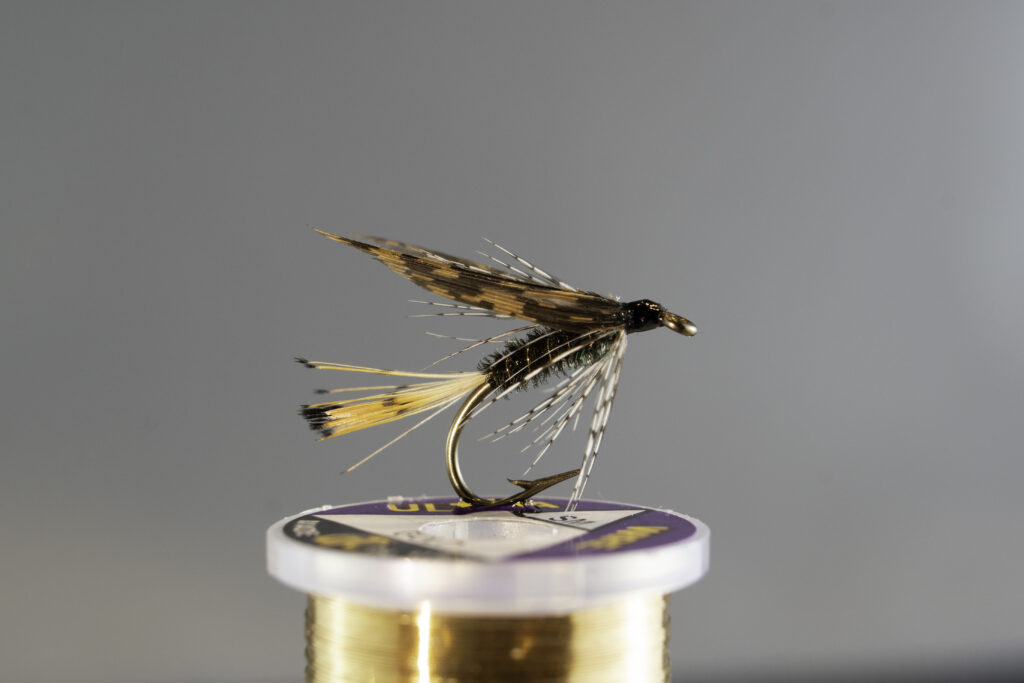
Fly tying, like many arts, has entered a phase of modernization. New space-age materials have led to unbelievably realistic designs that have captivated the fly-tying community. Thus, certain flies are beginning to disappear, as their popularity declines alongside their aging tiers.
Recently, however, I found myself rummaging through an old box of my dad’s tying materials. The nostalgia ran deep as I pulled out a package of very old Mustad hooks my old man had used himself. I opened the package to find that only a few of the hooks remained, meaning that somewhere along the way half of these hooks were given a home by my dad. I thought fondly of the days watching him meticulously tie some of the most beautiful flies I’ve ever seen.
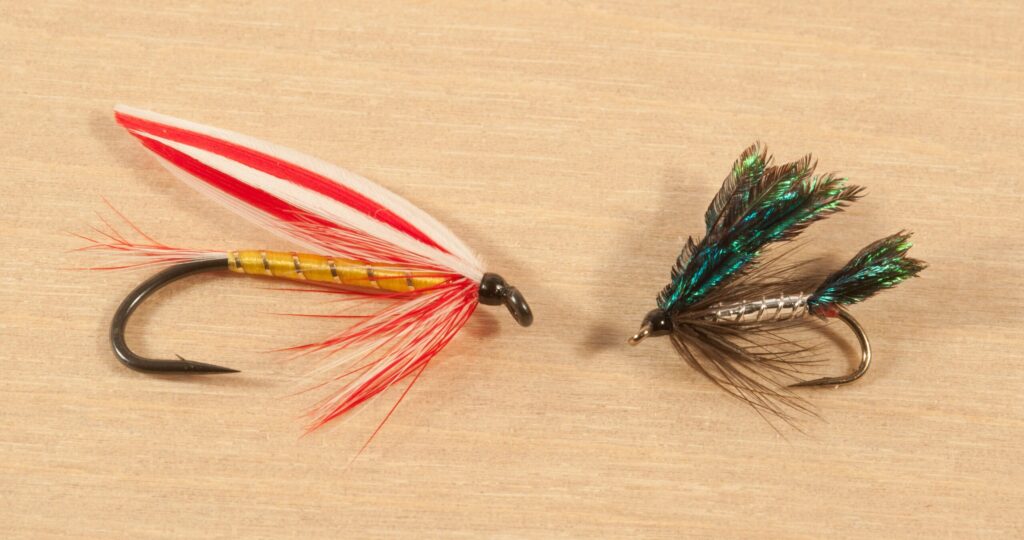
While holding these hooks that my dad once put his steady hands upon, I developed a desire to pay homage to his craft. I felt it necessary to tie one of my father’s favourite spring flies, the Wet CaddisEmerger.
While the Wet CaddisEmerger is not the only good spring fly, I swear by wet flies during the spring and into the runoff time of the season. This past spring I had one of my single best days on the water with a fly very similar to this in the East Kootenay region of British Columbia. I out-fished two other anglers using two techniques and only one fly pattern all day.
One of the great things about wet flies is the various ways they can be fished. Of course there is the old faithful method of simply swinging them across a river or stream over key features such as seams or riffles. You can also castthem up and across and strip them back in very short bursts. This has yielded some very aggressive strikes for me in the past. They also make excellent nymph patterns and can be treated as nymphs by fishing them with extra weight under an indicator..
I feel proud to continue the tradition my old man set out for me so many years ago. Though I am a full proponent of creating new patterns and using new materials, I still feel solace in tying the basics. Flies that have stood the test of time have done so because they work. They are the first flies I turn to when I look in my box, and they continue to produce fish year after year. It’s important not to forget our roots and the patterns that have caught so many fish in the past. This pattern pays tribute to the past yet remains productive today.
To see the full recipe and step-by-step for the Wet Caddis Emerger pick up a copy of the Spring issue of Fly Fusion – on stands now! And – for more of Dana’s patterns check him out on IG @kootenay_kid